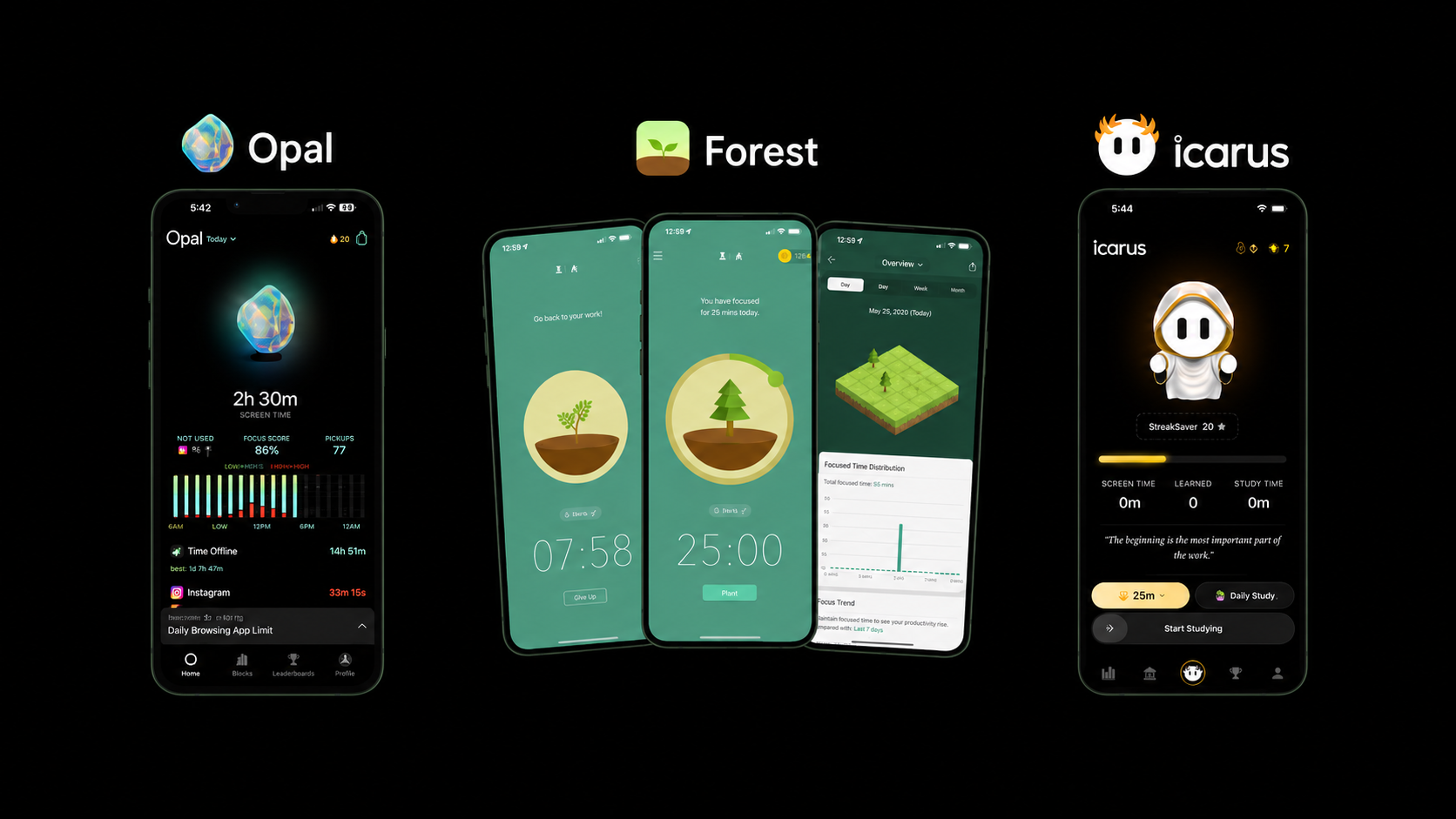
I want to say upfront that this isn’t a knock on app blockers as a category — I’ve used most of the well-known ones, and they all do what they say they do. Opal blocks apps. Forest blocks apps. Apple’s Screen Time blocks apps. Every single one of them worked for me for about two weeks, and then stopped, and it took me a while to understand that the two-week mark wasn’t a coincidence.
The two-week pattern isn’t about the app
Here’s what I noticed once I paid attention: the blocker didn’t get worse. I did. Week one, I was strict — habit is new, motivation is high, exceptions feel like cheating. By week three, I was the one talking myself out of it: “just this once,” “I’ll turn it off for this specific thing,” “I’ll just reinstall Instagram, I can control myself now.” The blocker was still fully capable of doing its job. I had simply run out of the willpower required to keep using it as intended.
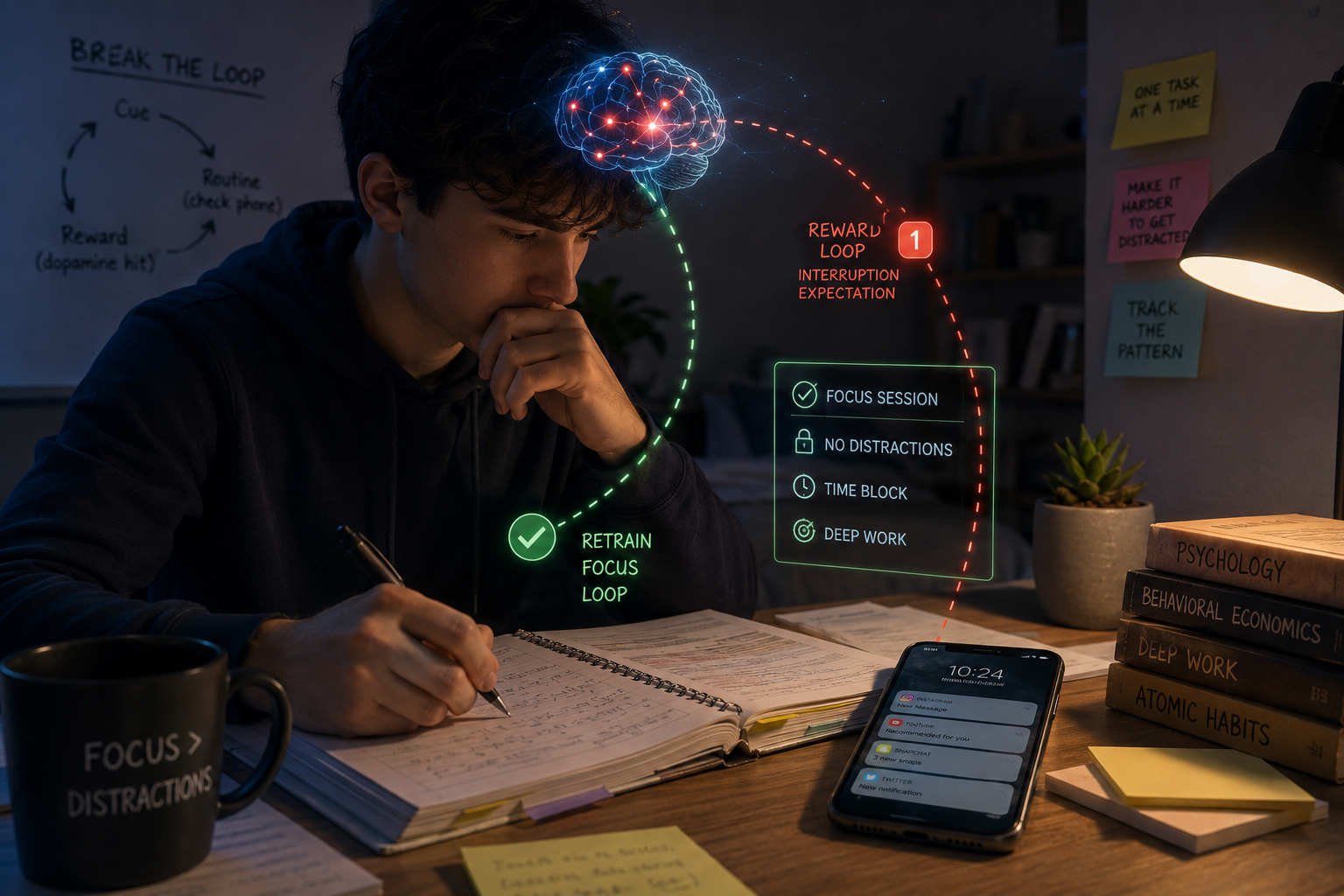
This matches the actual research on willpower better than the “just be more disciplined” advice does: self-control functions like a resource that depletes with use over the course of a day, not a fixed personality trait. A blocker that depends entirely on you re-committing to strictness every single day is, structurally, a system that depends on the one thing guaranteed to run low.
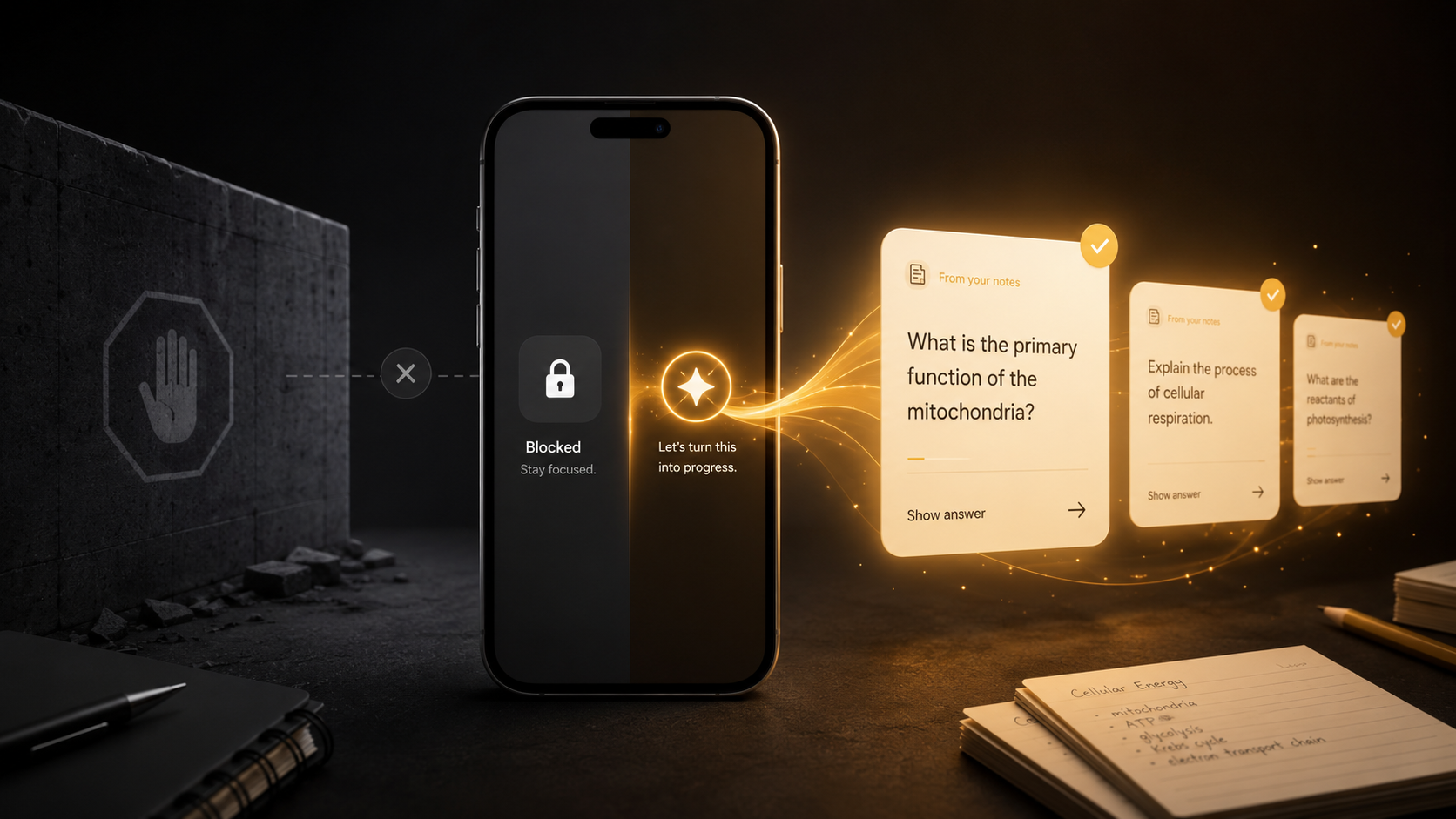
Blocking is a wall. It’s not a path.
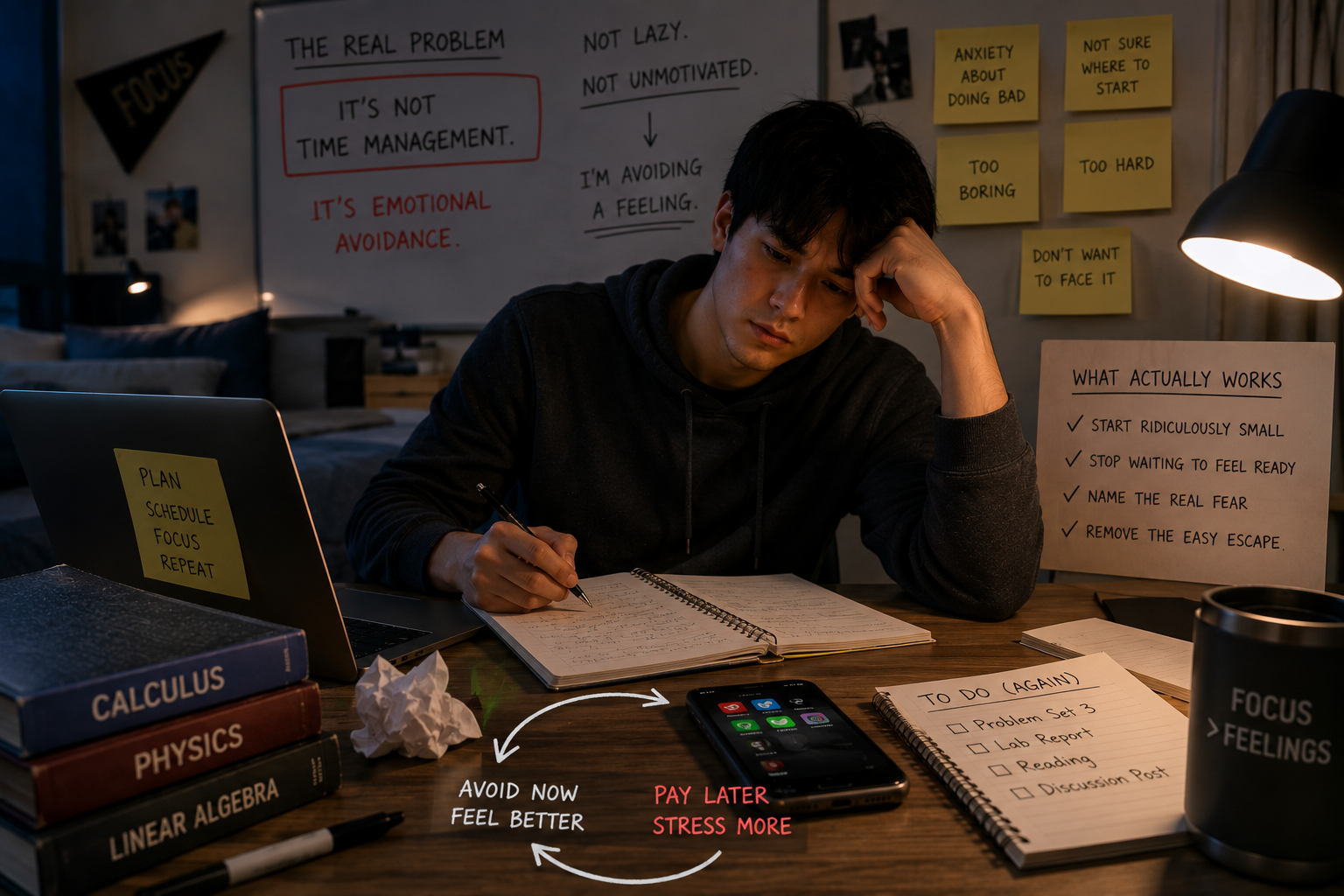
The actual design flaw isn’t that blockers are too weak — most of them are plenty strict if you configure them that way. It’s that a wall only tells you where you can’t go. It doesn’t put you anywhere. You hit the block, you’re annoyed, and then you’re standing there with the same unfinished problem set and the same craving for novelty, just with one door closed. Eventually you find the other door — turn off the blocker, use a different device, wait it out.
An environmental system is different from a wall in one specific way: it doesn’t just remove the bad option, it makes the only remaining option lead somewhere useful. Not through more motivation. Through design.
What changed when I stopped just blocking
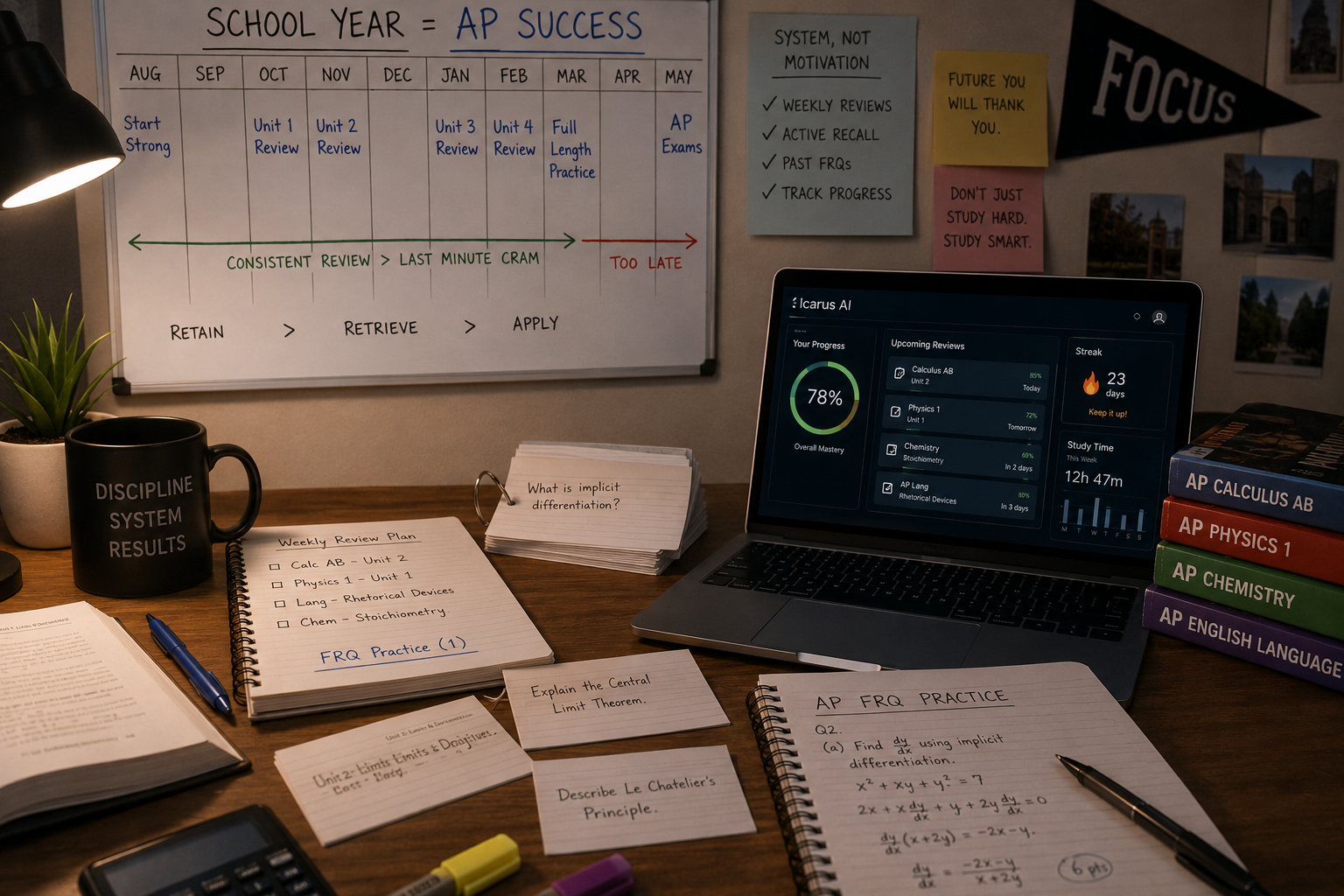
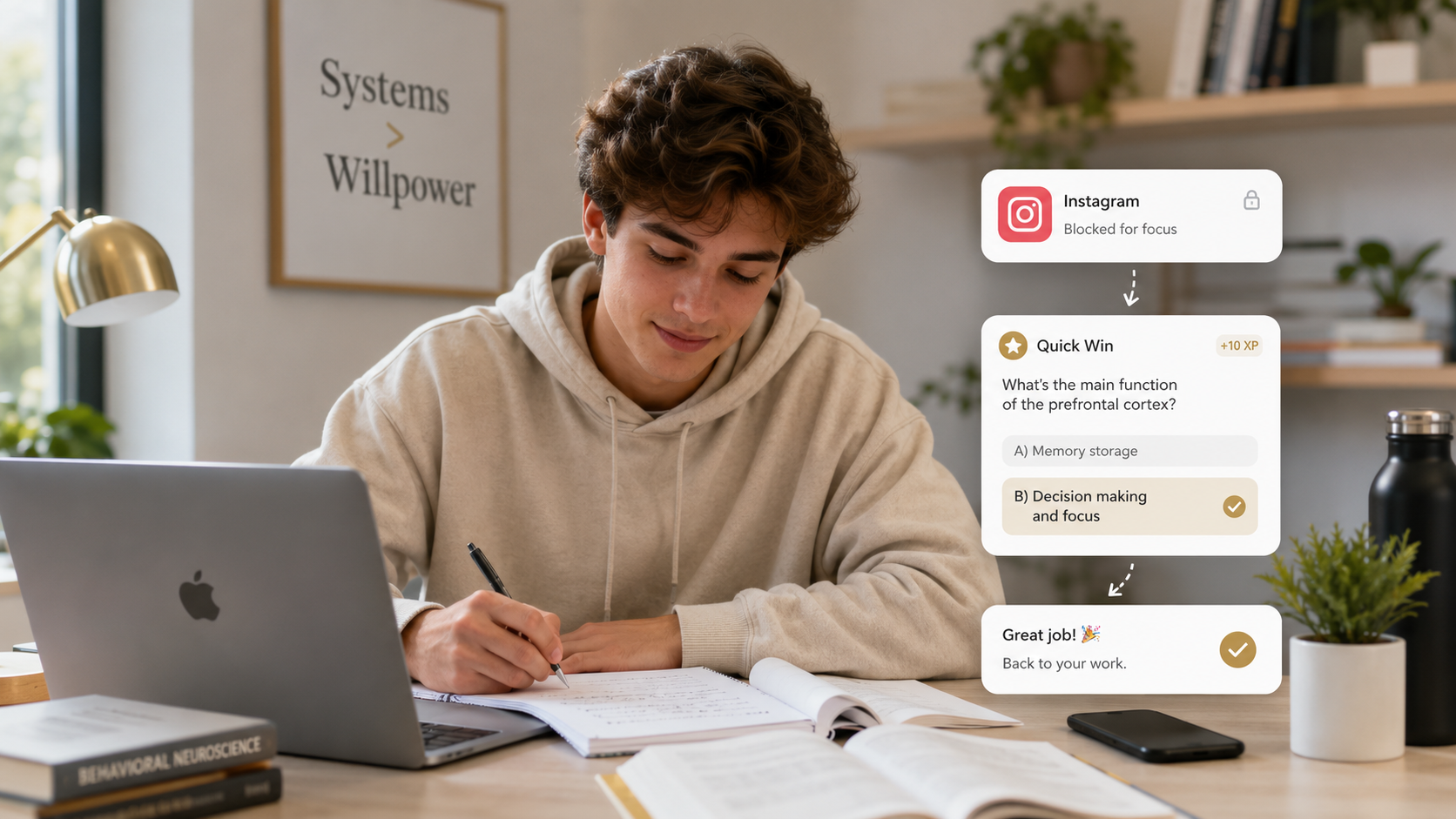
This is the actual reason Icarus exists, and it’s a small change that had a bigger effect than I expected. Instead of a locked screen or a countdown, the moment you reach for a blocked app, you get a few review questions generated from your own notes. You can still skip them and walk away — nothing forces you to answer. But the default path, the laziest option, the thing that happens if you do nothing clever or disciplined at all, is now a few seconds of review instead of a dead end.
That reframe is the entire difference. I didn’t get more disciplined by building Icarus. I stopped needing to be, for this one specific decision, because the environment itself started doing part of the work that willpower used to have to do alone.
The honest limitation
This doesn’t mean willpower stops mattering — you can still ignore the questions and close the app, and on a bad day, plenty of people do. What it means is that the system no longer collapses the moment your willpower does. A blocker that only works when you’re strong is a system with exactly one point of failure. A system that gives you something even when you’re not is a lot harder to fully break.
Try Icarus — built for the days your willpower doesn’t show up, not just the days it does.