
If you’ve ever reread a chapter three times and still blanked on the exam, the problem wasn’t effort — it was the method. I did this constantly through freshman year: rereading a chapter feels productive because the material feels familiar by the third pass, but familiarity isn’t the same thing as being able to recall it later. Spaced repetition is one of the few study techniques with decades of cognitive science actually behind it, and it’s the one that finally fixed this for me.
The forgetting curve, in plain terms
Right after you learn something, you forget most of it within a day or two — this is well documented and happens to everyone, regardless of how “smart” you are. I used to take that personally before I understood it was universal. But each time you successfully recall something right before you would have forgotten it, the memory gets stronger and the next forgetting curve gets flatter. Wait too long between reviews and you’ve forgotten it already, so you’re relearning from scratch. Review too soon and you’re wasting time on something you still remember fine.
Spaced repetition is just the practice of timing your reviews to land in that narrow window — not too early, not too late — and stretching the gap a little further each time a memory holds.
How I actually apply it, no special software required
You don’t need an app to start. This is the simple version I used before I ever wrote a line of Icarus’s code:
- Review new material within 24 hours. This is the single highest-leverage review I ever do — most forgetting happens in the first day, so catching it early is disproportionately effective.
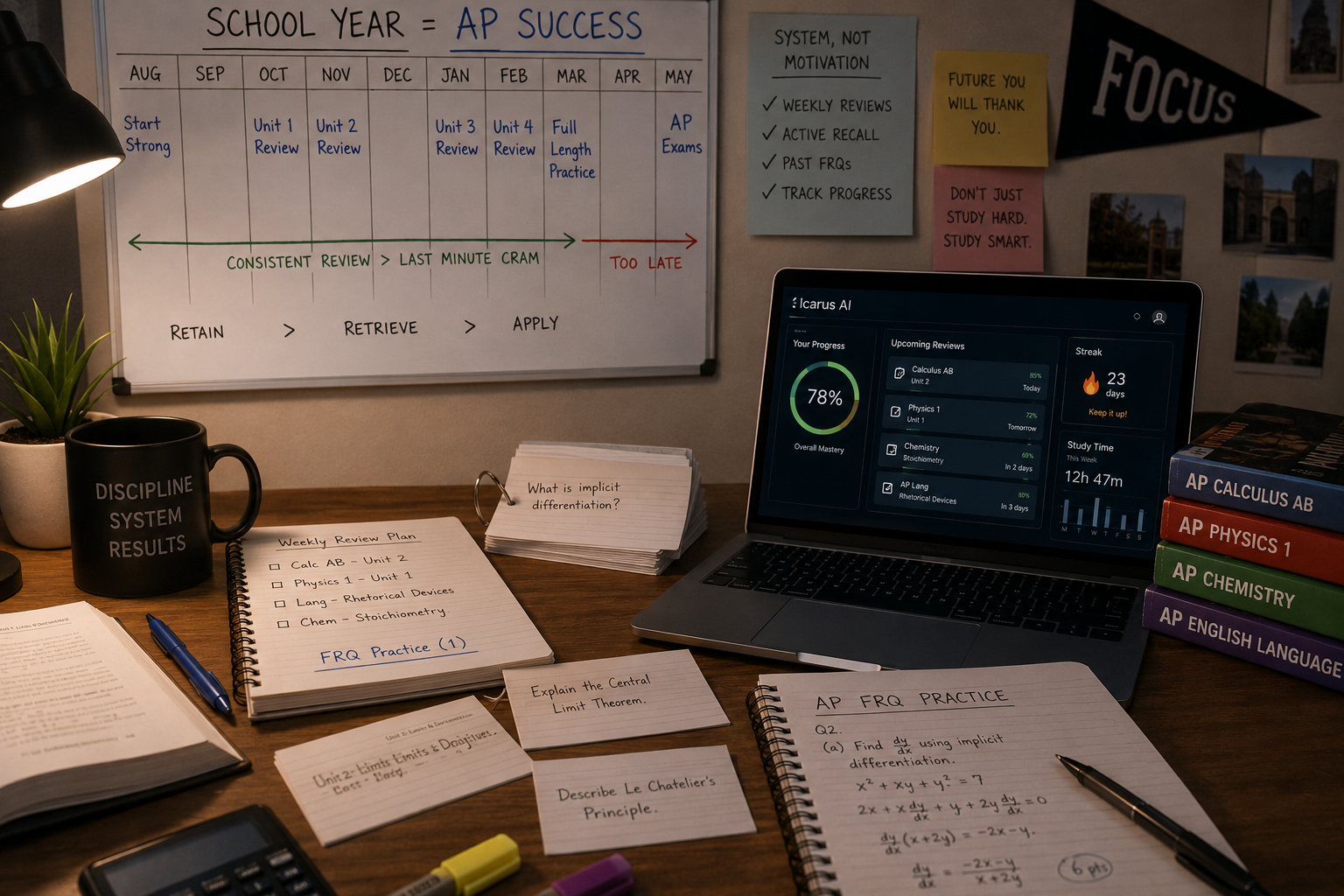
- Review again after about 3 days, then again after a week, then again after two to three weeks. Each successful recall lets you push the next review further out.
- If you struggle to recall something, reset the interval. I don’t stay precious about the schedule — a forgotten fact goes back to “review tomorrow,” not “review in three weeks.”
- Test yourself, don’t reread. The mechanism that makes spaced repetition work is active recall — pulling the answer out of your memory without looking — not passive exposure. Flashcards, practice problems, or just closing the book and explaining it out loud all count. Rereading the page never did anything for me.
Where this broke down for me in practice
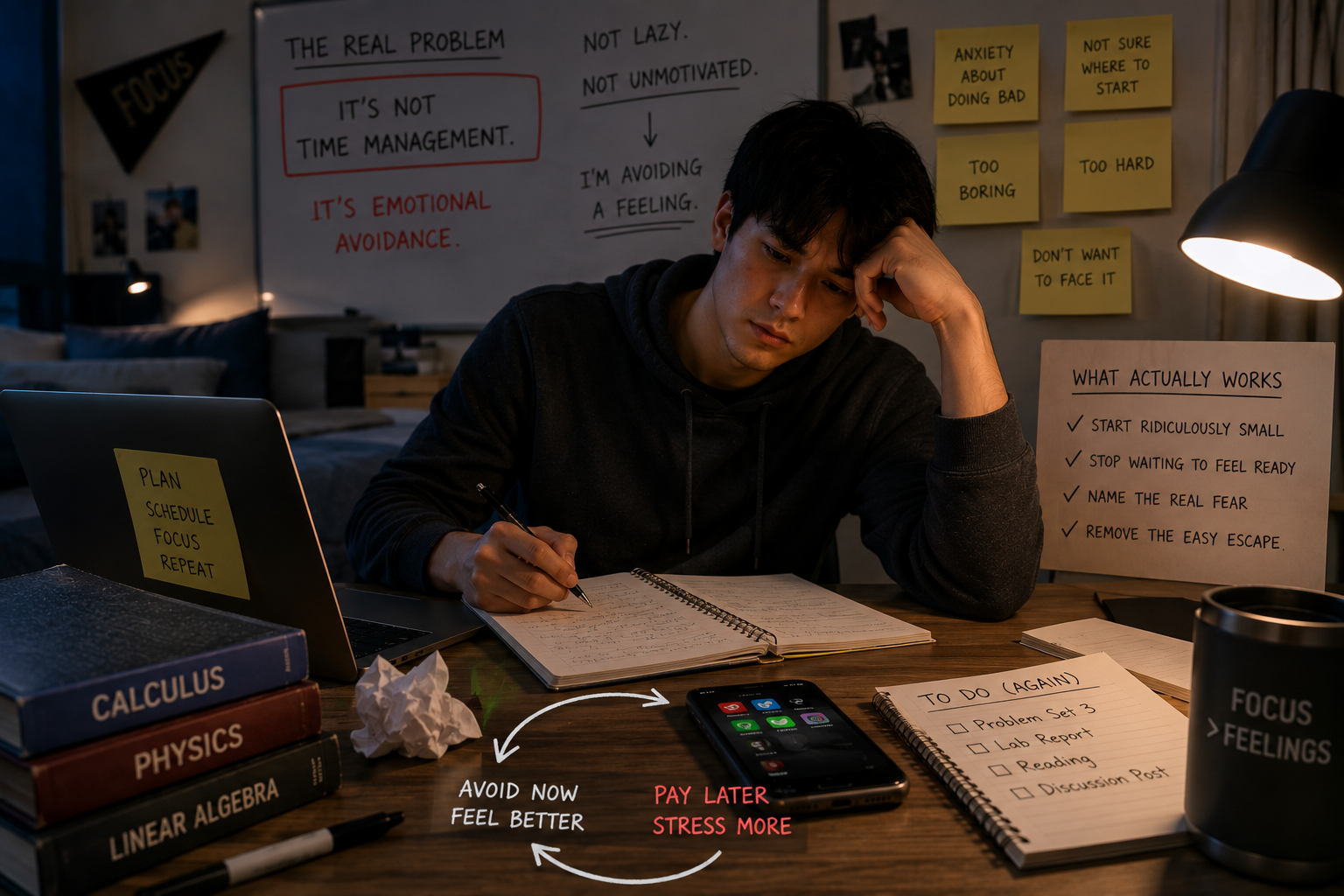
The technique isn’t hard to understand. It was hard for me to stick to, because it requires reviewing things on a schedule that has nothing to do with when I felt like it — often right when I was convinced I already knew the material and reviewing felt pointless. That’s usually the exact moment it mattered most.
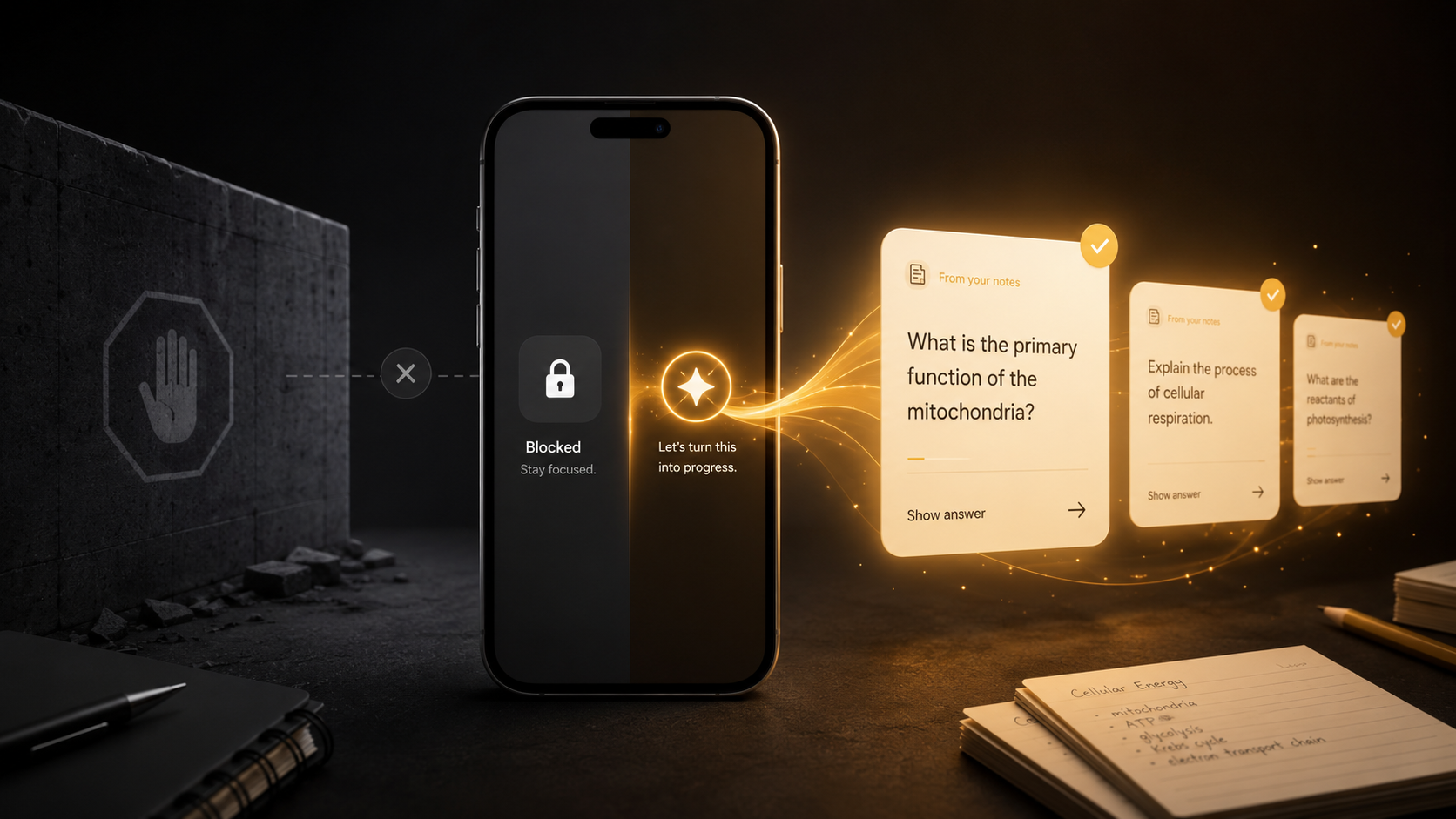
This is where my own spaced repetition habit kept quietly falling apart: not because the method didn’t work, but because nothing reminded me to actually sit down and do the review on day 3, day 7, day 21. That gap is the whole reason I built Icarus AI — it turns my study sessions into a structure I actually follow, blocking distractions during the windows I’ve set aside for review, so the plan I made when I was thinking clearly is the plan I actually execute, instead of the one that quietly gets skipped.