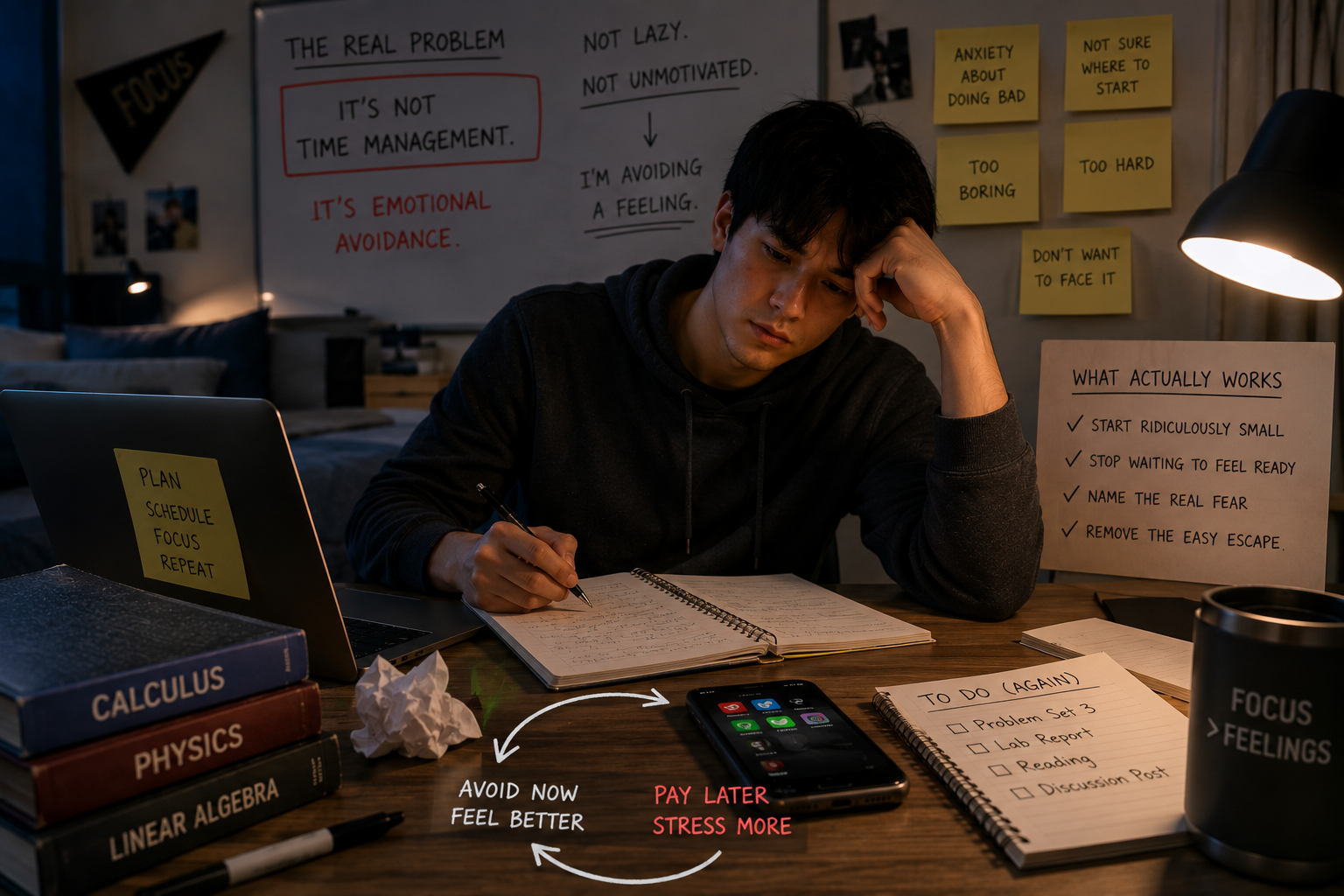
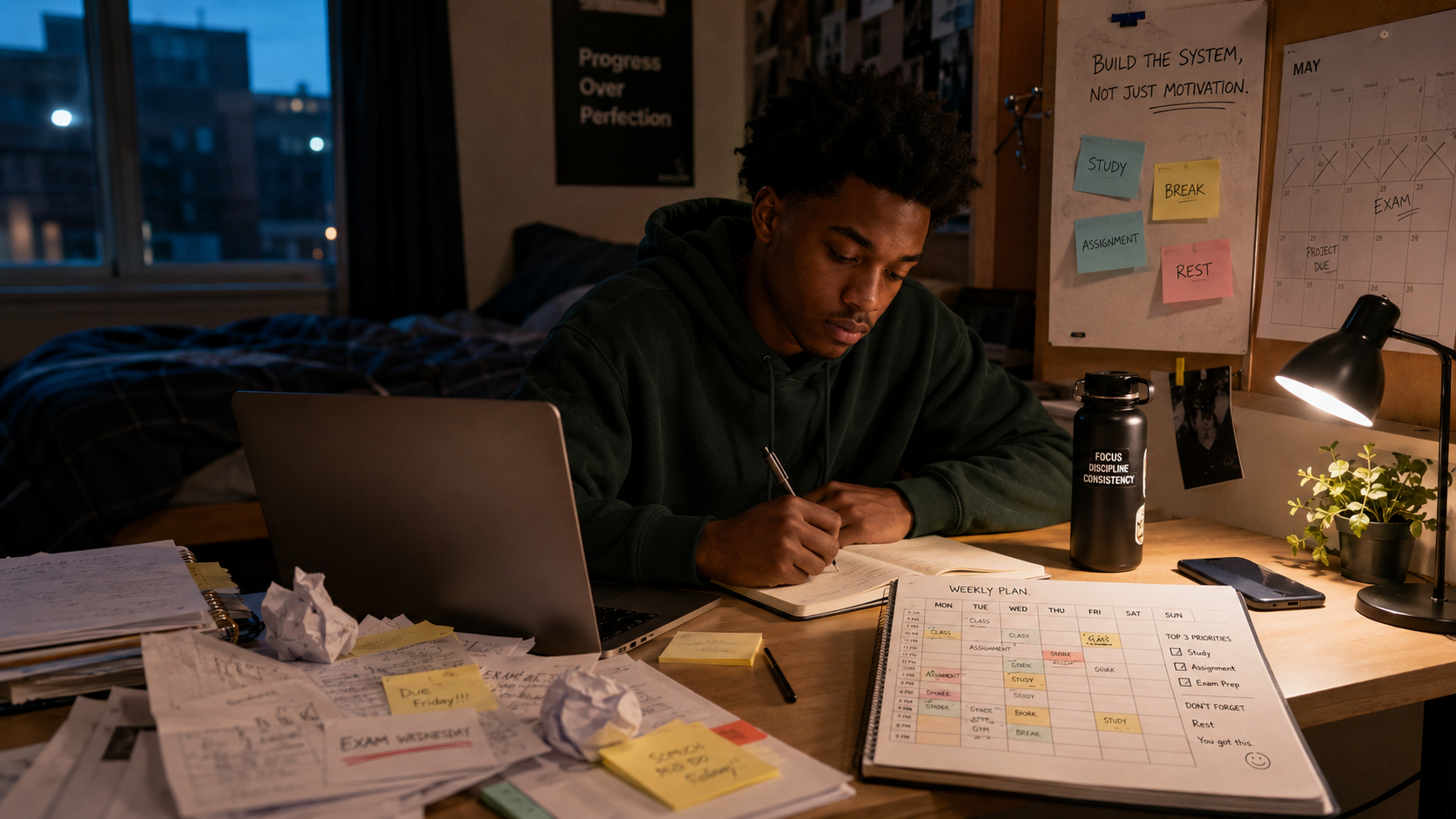
There’s a common assumption that burnout is what happens when you work too hard. Two years into a BME and CS double major, I’ve come to think that’s wrong — burnout is what happens when you work hard without a system, when effort has nowhere to go except into more effort, with no structure absorbing the load.
The pattern that led to my burnout
It usually looked like this for me: I’d fall behind in one class, so I’d cram before the exam. The cram session worked well enough that I never actually fixed the underlying gap, so the same thing happened again the next unit — except now I was also tired from the last cram session. Repeat that for a semester of overlapping problem sets and labs, and I ended up simultaneously overworked and underprepared. Exhausted, but somehow never actually ahead on anything.
The exhaustion wasn’t from the total number of hours. It was from the unpredictability — never knowing if today was going to be a normal day or an emergency, and my body staying on alert for the emergency version by default.
What actually reduced my burnout (it wasn’t “work less”)
1. I made my workload visible before it became urgent. Most of my burnout cycles started because a deadline snuck up on me. Once I could see two weeks out what was coming, I could spread the same total effort over more days instead of compressing it into a crisis. The total hours barely changed — the difference was whether my nervous system was in emergency mode or normal mode while I did them.
2. I started protecting recovery time as strictly as work time. I didn’t have too little willpower to work — I had too little willpower left to rest properly, because resting felt like falling further behind. Scheduling real breaks (not “I’ll rest when I’m done,” which never actually arrived) is what made sustained effort possible instead of a boom-bust cycle.
3. I separated “hard” from “urgent.” Difficult material got my focused attention when I was fresh. Urgent-but-easy tasks — replying to an email, formatting a lab report citation — didn’t need my best hours anymore. My burnout accelerated for a long time because I treated everything as equally urgent, spending my best mental energy on trivial things out of sheer stress.
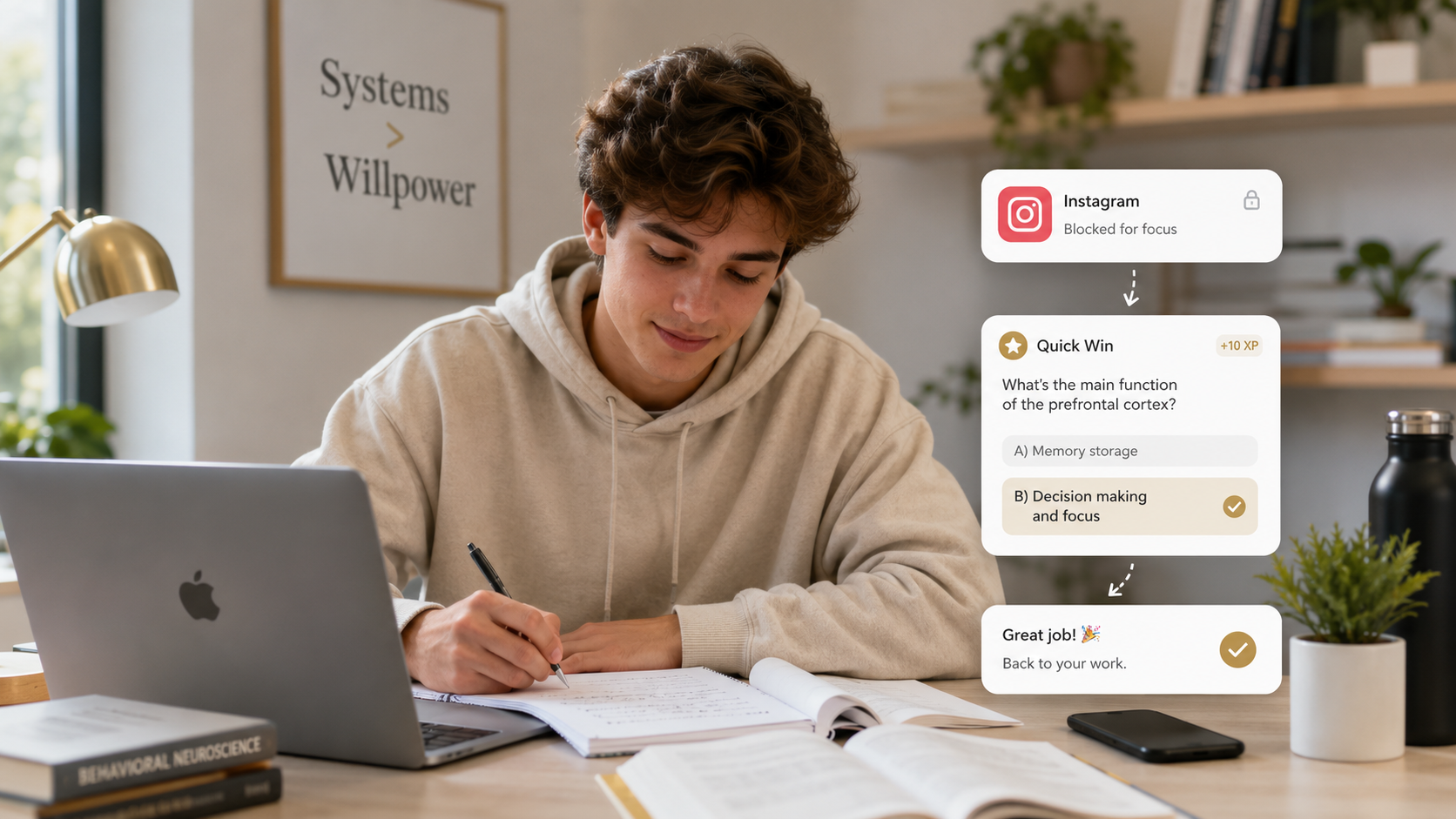
4. I reduced the number of decisions, not just the number of hours. Deciding what to work on, when, and for how long was its own draining task I was doing dozens of times a day. Pre-deciding my structure — same study blocks, same order of subjects, phone blocked during the same windows — removed a layer of fatigue that had nothing to do with the actual material.
Systems beat intensity
The people I know who study the most without burning out aren’t the ones with more willpower. They’re the ones whose day has a repeatable shape, so effort gets distributed instead of dumped all at once in a panic.
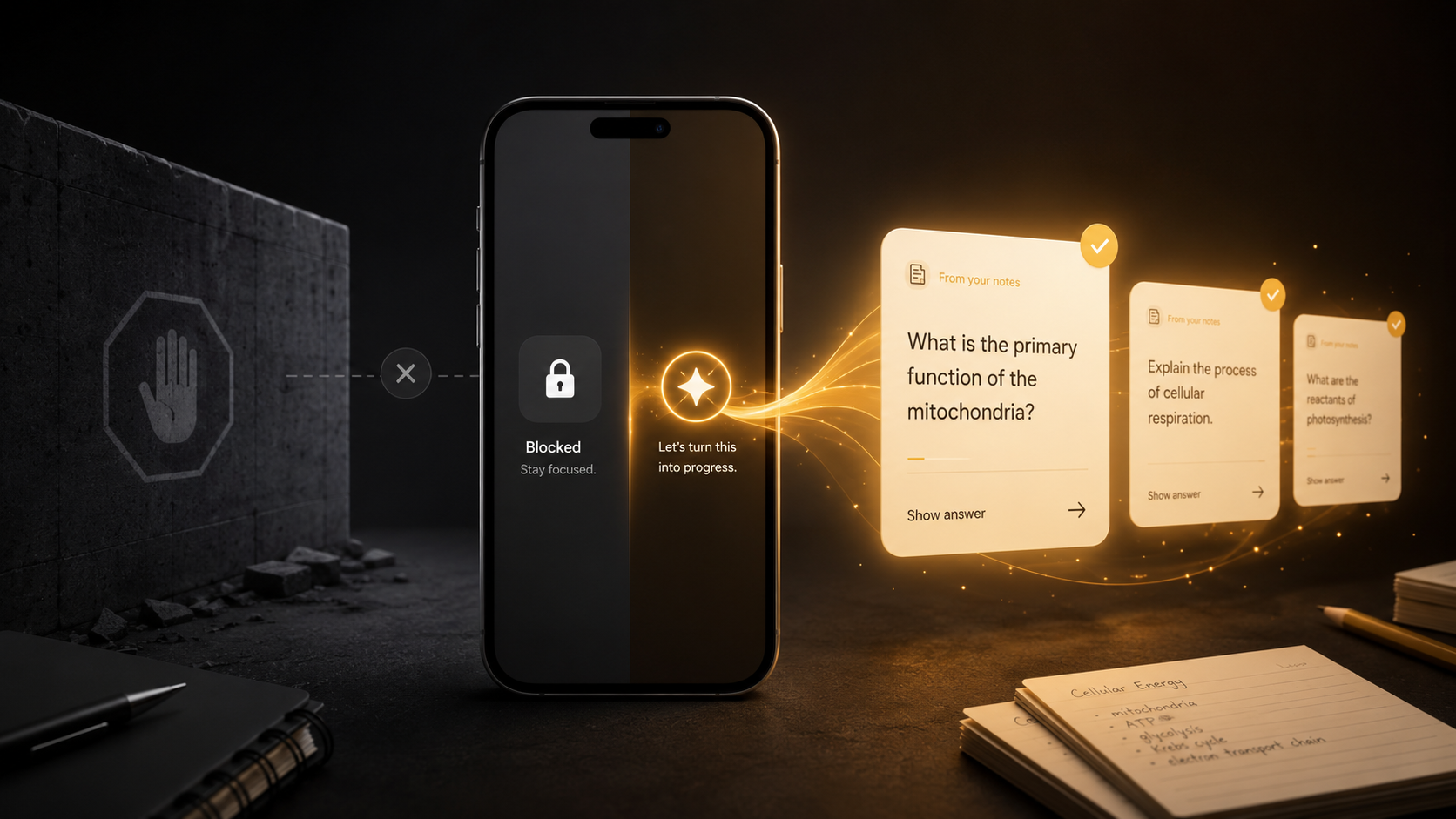
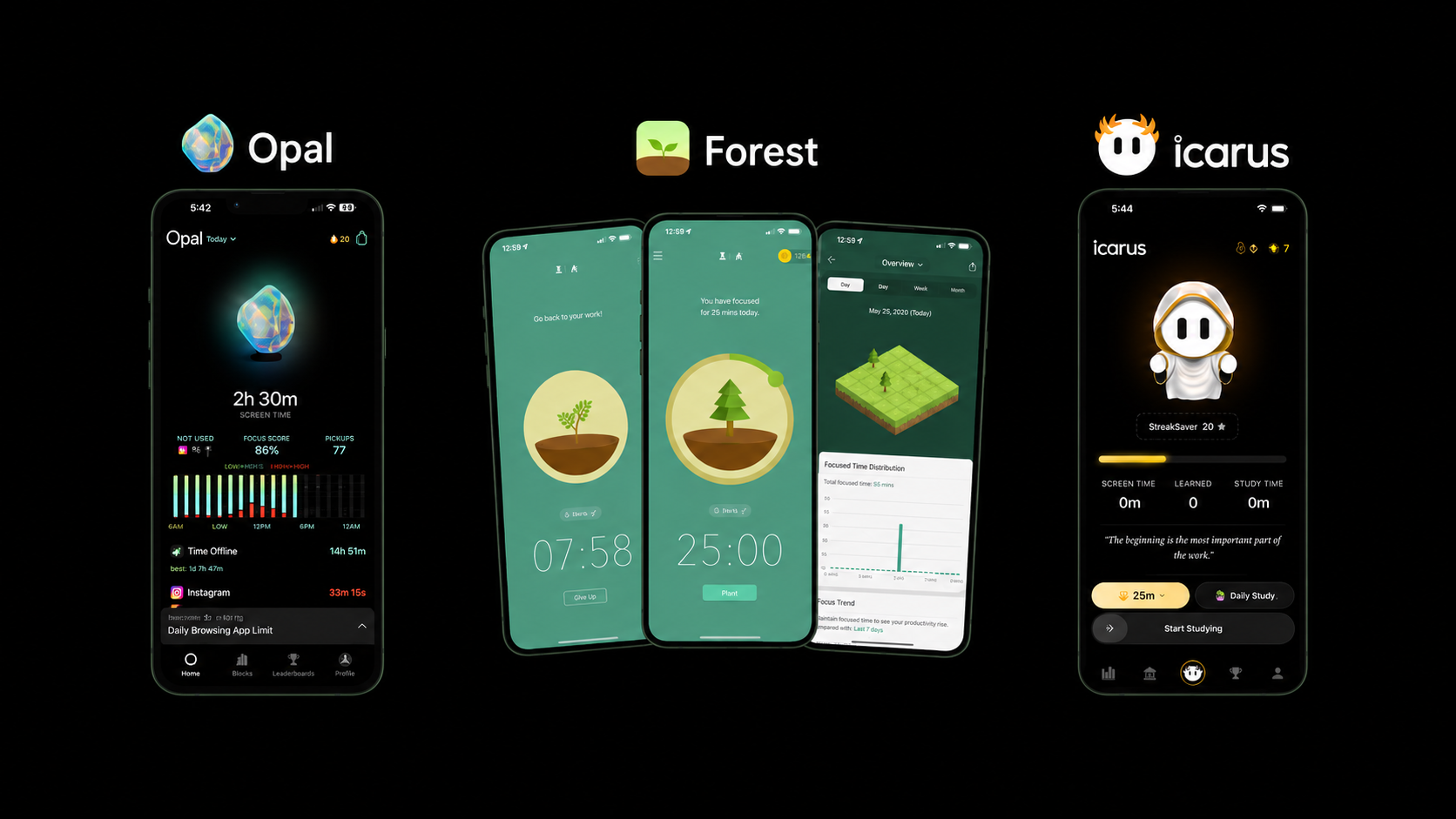
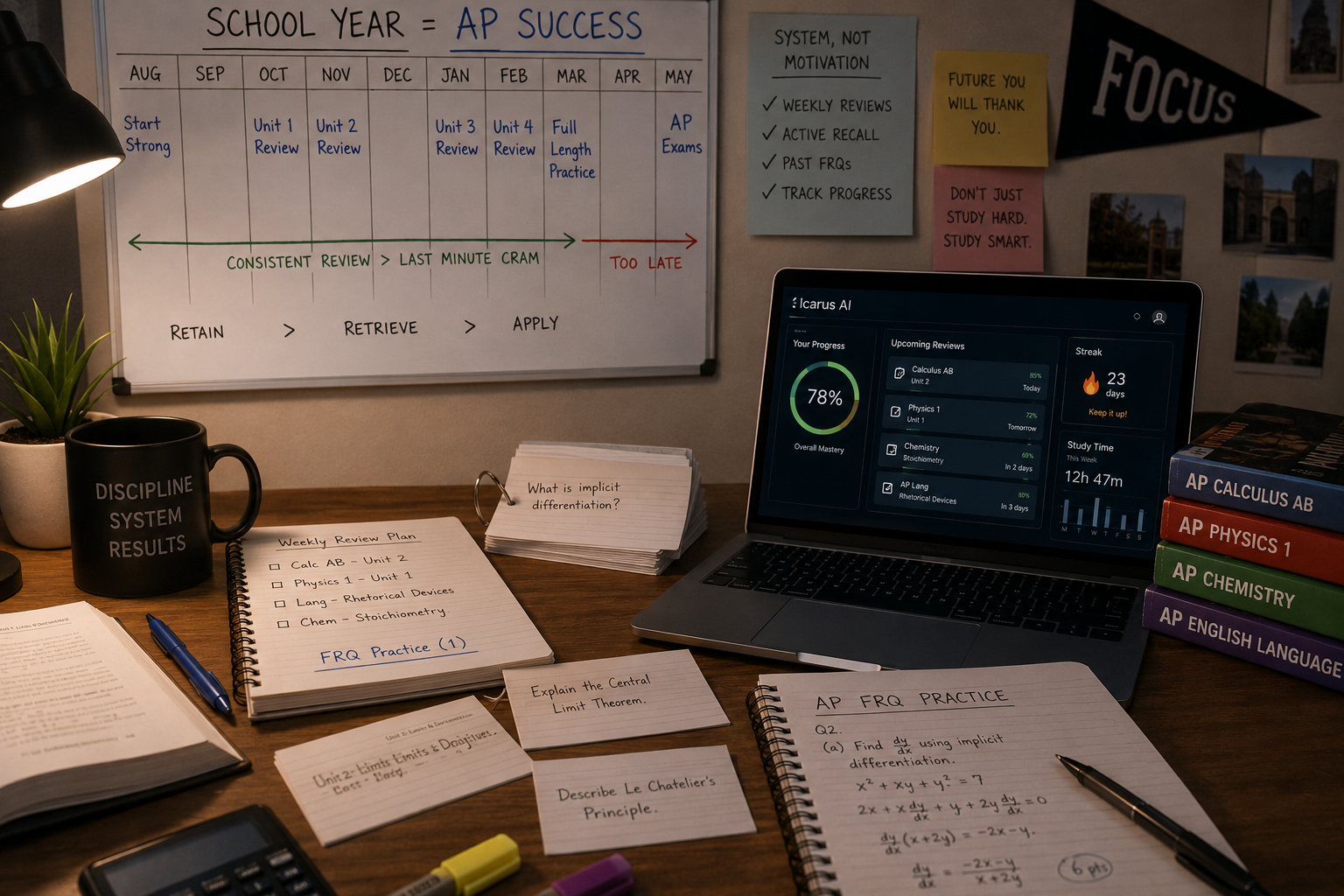
That predictability is exactly what I built Icarus AI to create: structured focus sessions, distraction blocking during the windows that matter, and a clear picture of my actual workload so “getting ahead” stopped meaning “staying up until 3am” and started meaning a schedule I could actually sustain across two majors.